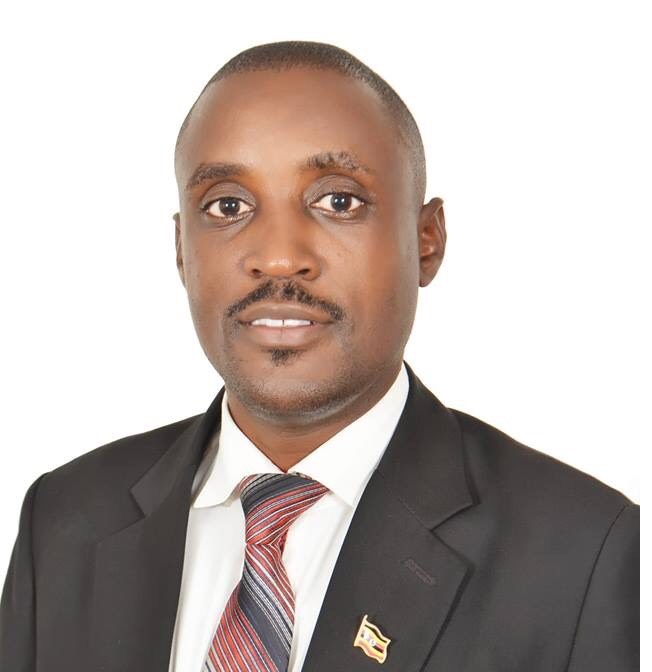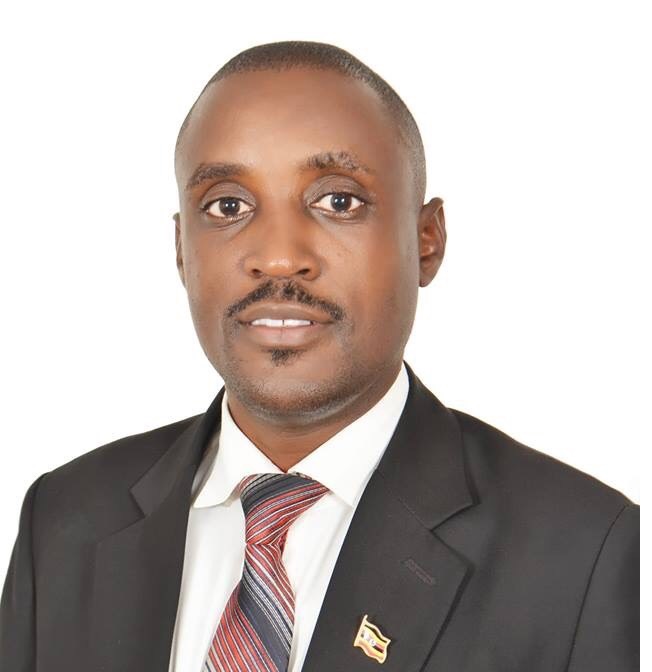
By Nuwagaba Arthur
A Lesson from China
In 2019, I had the rare privilege of visiting China. That journey reshaped how I understand what is possible when a country fully embraces technology and innovation. One of the most striking experiences was my visit to the Huawei Research and Development Centre in Shanghai. The facility, worth $1.4 billion and spanning nearly one square kilometer, employs over 30,000 people. There, I saw smart cities powered by real-time data. I saw intelligent healthcare systems that reduce waiting times and save lives. I saw automated security networks and highly efficient digital offices that minimize human interference.
These were not ideas on paper. They were working systems-precise, transparent, and reliable.
What stood out most was this: systems reduce corruption not through speeches, but by design. Systems do not negotiate. They do not take bribes. They simply work.
Building a System for Uganda
I returned to Uganda convinced that we could build solutions tailored to our own realities.
During the last election, my team and I developed a system to manage NRM vote protectors. It ensured their presence at polling stations, enabled real-time incident reporting through USSD and mobile applications, and digitized payments. The goal was simple: strengthen accountability, transparency, and trust in our electoral process.
We later secured seven meetings with the President. He listened carefully, engaged thoughtfully, and showed genuine interest. That level of openness is rare and deserves recognition.
For a moment, it felt like Uganda was ready to take a bold step forward; ready to trust systems over discretion. But it never happened.
Why the System Was Never Used
The system was not rejected because it failed. It was not ignored because it lacked relevance.
It was sidelined because it worked too well.A system like that closes gaps. It tracks accountability. It removes the “middle space” where money disappears. And that is precisely the problem.
Some individuals benefit from inefficiency. Others benefit from opacity. A functioning system threatens both.This is a difficult truth, but it must be said: sometimes, the biggest barrier to progress is not a lack of innovation. It is the presence of interests that depend on dysfunction.
Uganda’s Innovation Paradox
Uganda promotes innovation. We train developers, engineers, and problem-solvers. We encourage young people to think creatively and build solutions.Yet when those solutions are ready—tested, practical, and necessary—they often meet resistance.Why do we celebrate ideas but resist implementation? Why do we encourage innovation but hesitate to apply it? This is not just a policy issue. It is a leadership test.Technology is not about apps or devices. It is about systems that enforce fairness, reduce inefficiency, and make corruption difficult.
The Leadership Question
There are moments when leadership presence can change outcomes—not through force, but through clarity and conviction. Moments when the right voice in the room can push a country toward progress instead of hesitation. This was one of those moments. It was the moment we needed Muhoozi Kainerugaba in the room. Not as a symbol, but as a voice for a new generation. A generation that understands that efficiency is not a threat. That systems are not the enemy. That progress requires courage.Because the cost of inaction is real. It shows up in lost public funds, delayed services, frustrated citizens, and missed opportunities.
A Call to Action
Uganda does not lack talent. It does not lack ideas. What we often lack is the collective will to implement solutions that disrupt entrenched interests. The progress we admire in other countries is not built on intention. It is built on implementation.
If we truly want a more transparent, efficient, and productive Uganda, we must go beyond rhetoric. We must trust our innovators. We must deploy the systems. And most importantly, we must allow them to work. Until then, we risk remaining a nation that dreams of progress while resisting the very tools that can deliver it.
The writer is the National Coordinator of the Umbrella Association of NRM Activity-Based Mobilization Groups, Head of Mobilization at State House Local Content Unit, and a PhD candidate in Business Administration.